



-
 Written By:
Alex Herrera
Written By:
Alex Herrera
-
Edited By:
Phyllis Rodriguez, PMHNP-BC
-
Clinically Reviewed By:
Dr. Ash Bhatt, MD, MRO
 Written By:
 Edited By:
 Clinically Reviewed By:
Adults with ADHD face a significantly higher risk of developing a substance use disorder. The same brain pathways that drive inattention and impulsivity also make the reward system more vulnerable to stimulant abuse. Understanding how adhd and addiction intersect is the first step toward getting the right help.
Verify Your Insurance Coverage Today →
ADHD and addiction are connected through shared dopamine pathways in the brain. Research from the NIH shows that people with ADHD are two to three times more likely than the general population to develop a substance use disorder. Many individuals use stimulants such as cocaine or misuse prescription medications to self-medicate their ADHD symptoms, which can lead to a cycle of dependence. Lasting recovery typically requires an integrated dual diagnosis approach that treats both conditions simultaneously rather than separately. Legacy Healing Center in Cincinnati, Ohio, provides this type of coordinated care with medical oversight that includes weight-based dosing and evidence-based therapy.
What Does the Research Say About ADHD and Addiction?
Research confirms that ADHD and addiction frequently co-occur because both conditions involve the brain’s reward and impulse control centers. According to the National Institutes of Health, 15 to 25 percent of adults in addiction treatment also meet the criteria for ADHD. Compared to only 4 to 5 percent in the general population. Genetics also plays a role, with both conditions showing strong family inheritance patterns.
Modern neuroscience has uncovered why adhd and addiction so often appear together. It is not a matter of poor willpower or bad decision-making. The overlap is rooted in brain structure, chemistry, and genetics.
Higher Risk for Substance Use
People with untreated ADHD are two to three times more likely to develop a substance use disorder compared to those without the condition. This elevated risk begins early. Adolescents with ADHD often experiment with drugs or alcohol at younger ages, partly because they are trying to manage restlessness, poor focus, or social discomfort on their own. What starts as a perceived solution can quickly escalate into dependence.
Untreated ADHD is one of the strongest predictors of stimulant abuse. Because the condition is associated with lower baseline dopamine levels, the brain naturally seeks out ways to restore chemical balance. Street drugs and misused prescription stimulants provide a fast but dangerous shortcut. According to a study published by the NIH. The same dopamine dysfunction that makes it hard for a person with ADHD to sustain attention also makes it harder for them to stop using a substance once they start.
Prevalence in Treatment Settings
ADHD occurs at much higher rates among people already in recovery. In the general adult population, the prevalence of ADHD is roughly 4 to 5 percent. Among adults in substance use treatment, that number jumps to 15 to 25 percent. That means one in four or five people seeking help for addiction may also have undiagnosed or untreated ADHD. Many of these individuals do not discover their ADHD until they enter a treatment program that screens for co-occurring conditions.
When ADHD goes unrecognized during addiction treatment, the results tend to be poorer. The person may struggle to engage in therapy, have difficulty following program rules, or drop out early. That is why facilities that offer integrated dual diagnosis treatment see better long-term outcomes. Treating both conditions at the same time addresses the root cause rather than just the surface behavior.
Shared Genetic and Neurological Factors
Both ADHD and substance use disorders have strong genetic components. Having a first-degree relative with either condition increases your own risk by approximately fourfold. Twin studies suggest that the heritability of ADHD is around 75 to 80 percent, one of the highest among psychiatric conditions. The heritability of addiction is similarly substantial.
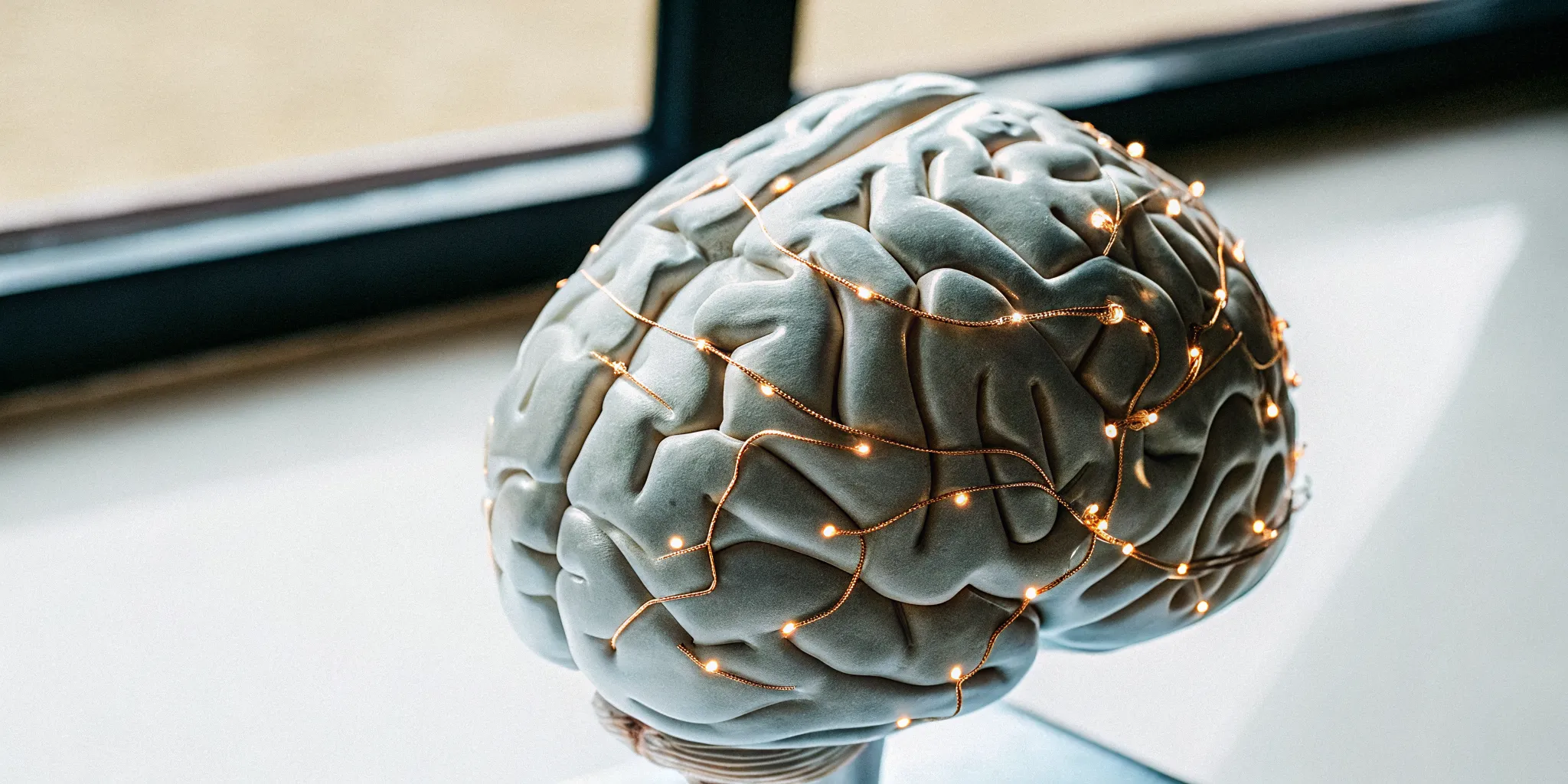
On a neurological level, the overlap is just as clear. Research from the NIH shows that ADHD affects the basal ganglia, which govern habit formation and impulse control, and the limbic system, which processes emotion and reward. When these regions are underactive, the brain has a harder time generating feelings of satisfaction from everyday activities. That deficit can drive a person to seek more intense stimulation through substances. As the research explains, these structural changes are not permanent. With the right treatment, the brain can begin to normalize.
Why Does Untreated ADHD Increase the Risk of Stimulant Abuse?
Untreated ADHD raises the risk of stimulant abuse because the brain’s low dopamine levels create a persistent drive for reward. Without medical management, many people attempt to fix their focus and energy through cocaine or prescription stimulants obtained without a prescription. This self-medication approach carries a high risk of tolerance, dependence, and worsening ADHD symptoms over time.
People with unmanaged ADHD often describe their internal experience as a brain running on low power. Focus feels impossible, tasks pile up, and restlessness creates constant discomfort. Without proper medical treatment, the impulse to find relief can lead directly to substance use.
The Dopamine Reward Cycle
Stimulants are especially appealing to the ADHD brain because they produce a rapid spike in dopamine. For a brief window, the person may feel clear-headed, calm, and capable. This temporary relief reinforces the behavior. The brain learns that the drug provides something it cannot produce on its own.
Over time, tolerance builds. The person needs more of the substance to achieve the same effect, and the natural dopamine production drops even further. ADHD symptoms become worse than before. This creates a loop where the person uses to feel normal and then feels worse when the drug wears off. Treating cocaine addiction or other stimulant dependence requires breaking this cycle at the neurological level.
How Self-Medication Becomes Dependence
Self-medication is a common but dangerous path. Without a prescription and medical oversight, there is no safe dosing protocol. The individual controls the amount based on subjective feeling rather than clinical guidance, which leads to rapid escalation. As tolerance mounts, the original symptoms return stronger than before when the drug leaves the system.
This cycle is particularly difficult to break because the substance initially appears to help. The person associates the drug with improved productivity or social ease, creating a powerful psychological attachment alongside the physical dependence. Professional treatment is needed to address both the chemical and behavioral components.
The Importance of Proper Diagnosis
Receiving an accurate ADHD diagnosis can be a turning point. When a physician identifies and treats the underlying condition with safe, monitored medication, the urge to self-medicate often decreases significantly. Proper care removes the need to hunt for relief through dangerous means.
Medical management of ADHD during recovery involves careful dosing that accounts for factors such as patient body weight, metabolic rate, and any other medications the person is taking. Legacy Healing Center requires body weight data as part of the initial assessment for medication dosing during detox and stabilization. This clinical precision helps the brain heal while reducing the risk of relapse. A dual diagnosis approach ensures that neither condition is neglected.
How Do ADHD and Addiction Overlap in the Brain?
ADHD and addiction overlap in the brain primarily through the dopamine reward pathway, the basal ganglia, and the limbic system. Both conditions involve reduced activity in the regions that control impulse inhibition and reward processing. This shared neurology means that treating one condition without addressing the other often leads to incomplete recovery.
The link between ADHD and substance use is not just behavioral. It is embedded in the physical wiring of the brain. Understanding this overlap helps explain why integrated treatment produces better results than sequential care.
The Role of the Basal Ganglia and Limbic System
Research using brain imaging has identified specific structural differences in people with ADHD. The basal ganglia, which help the brain start and stop actions, tend to be smaller or less active. The limbic system, which processes emotion and reward, also shows reduced activity. These two systems work together to regulate impulse control and motivation.
When both systems are underactive, the brain struggles to inhibit a behavior once it starts. The person may know that a particular drug is harmful but find it nearly impossible to stop using it. This is not a failure of will. It is a neurological barrier that requires medical and therapeutic intervention to overcome. Studies from the NIH have documented smaller subcortical structures in individuals with both ADHD and substance use disorders, confirming that the overlap is measurable.
The Dopamine Pathway and Reward Seeking
Dopamine is the neurotransmitter responsible for feelings of pleasure, motivation, and focus. In the ADHD brain, dopamine levels are chronically low. This makes ordinary activities feel unrewarding, which drives the person to seek more intense sources of dopamine. Drugs and alcohol provide that hit, but at a steep cost.
Over time, the brain becomes dependent on the substance to produce any dopamine at all. Natural rewards like social connection, exercise, or completing a task no longer register as satisfying. The person is caught in a cycle where only the substance can provide relief. Breaking this cycle requires treatment that addresses both the dopamine deficit and the behavioral patterns that developed around it.
How Treatment Can Normalize Brain Function
The brain retains the ability to change, a property known as neuroplasticity. With the right combination of medication and therapy, the neural pathways involved in impulse control and reward processing can begin to function more normally. Studies have shown that appropriate ADHD medication can help restore healthier activity patterns in the basal ganglia and limbic system over time.
At Legacy Healing Center, the medical team takes a precise approach to medication management. Every patient’s body weight is used to calculate the appropriate starting dose, and the treatment plan is adjusted based on how the individual responds. This reduces the likelihood of side effects and helps the brain stabilize more quickly. When the brain no longer needs to chase external rewards to feel balanced, the risk of relapse drops significantly.
What Are the Signs of Co-Occurring ADHD and Substance Use Disorder?
Common signs of co-occurring ADHD and substance use disorder include using drugs or alcohol to manage focus or restlessness. A pattern of impulsive decision-making, difficulty engaging in treatment that addresses only one condition, and a family history of either ADHD or addiction. A professional assessment can identify both conditions and guide the right treatment path.
Recognizing the warning signs early can make a meaningful difference in recovery outcomes. Many people live with both conditions for years without understanding how the two interact.
Common Behavioral Patterns
One of the clearest indicators is a pattern of using substances specifically to manage ADHD symptoms. A person might notice that cocaine or amphetamines help them focus on work, or that alcohol calms their racing thoughts. When the substance appears to solve a problem, the person is unlikely to see the behavior as dangerous until dependence has already developed.
High impulsivity is another hallmark. Making quick decisions without weighing consequences, especially around drug or alcohol use, is a sign that both conditions may be active. Impulsivity is a core feature of ADHD, and it also drives the cycle of addiction. Treatment that addresses co-occurring disorder management can help the person build the skills needed to pause and evaluate before acting.
When to Seek a Professional Assessment
If you or a loved one has noticed a pattern of drug or alcohol use that seems to fix a mood or focus problem. It is worth seeking a professional evaluation. A comprehensive assessment looks at the full picture, including mental health history, substance use patterns, and any prior treatment attempts.
Legacy Healing Center conducts thorough evaluations at intake to identify co-occurring conditions. The assessment process includes a review of personal and family medical history, a clinical interview, and screening tools designed to detect ADHD in adults. Identifying both conditions early allows the treatment team to build a plan that addresses the root causes rather than just the symptoms.
Why Is Dual Diagnosis the Gold Standard for ADHD and Addiction?
Dual diagnosis treatment is considered the gold standard for ADHD and addiction because it addresses both conditions simultaneously rather than sequentially. Research shows that integrated care leads to lower relapse rates compared to treating one condition at a time. This approach combines medication management, individual therapy, and group support in a coordinated treatment plan.
Treating ADHD and addiction separately is less effective than treating them together. The two conditions are intertwined, and progress in one area can be undermined by the other if both are not addressed.
Integrated versus Sequential Care
In traditional sequential care, a person must achieve sobriety before receiving treatment for ADHD. The problem is that untreated ADHD makes it difficult to achieve and maintain sobriety in the first place. The restlessness, poor focus, and impulsivity that define ADHD create constant pressure to use again.
| Factor | Sequential Care | Integrated Dual Diagnosis Care |
|---|---|---|
| Treatment timing | ADHD treated only after addiction | Both conditions treated at the same time |
| Relapse risk | Higher, because untreated ADHD drives use | Lower, because root cause is managed from day one |
| Medication approach | Delayed until sobriety is reached | Weight-based dosing starts during detox |
| Brain recovery | ADHD brain chemistry left unaddressed | Medication works to normalize brain pathways |
| Outcome data | Higher dropout and return rates | Better long-term sobriety and sustained focus |
Integrated care treats the mind and body as one system. At Legacy Healing Center, the clinical team coordinates across disciplines so that each person receives care that addresses their full clinical picture. This dual diagnosis treatment program is built on the understanding that lasting recovery depends on treating the underlying conditions, not just the substance use.
The Role of Medication and Clinical Dosing
Medication management is a critical component of integrated dual diagnosis care. The medical team must choose medications carefully and dose them according to each patient’s unique physiology. Body weight is a mandatory data point for determining the correct dose during detox and early recovery phases. This safety measure helps prevent adverse effects and improves treatment tolerance.
When dosed correctly, ADHD medication can help stabilize the dopamine system, reducing cravings and improving the person’s ability to engage in therapy. Research from the National Institutes of Health confirms that proper treatment can help the brain return to healthier functioning patterns. For individuals with co-occurring ADHD and substance use disorder, this medical support is often the foundation that makes everything else possible.
Components of a Comprehensive Dual Diagnosis Plan
A well-designed treatment plan includes multiple types of support. Individual therapy helps the person understand their unique triggers and develop coping strategies. Group therapy provides connection with others facing similar challenges, which reduces isolation and builds accountability. Family therapy addresses the impact of addiction on relationships and helps build a supportive home environment.
Aftercare planning is equally important. Recovery does not end when the treatment program ends. A good plan includes ongoing therapy, support group participation, and regular check-ins with the medical team. Legacy Healing Center provides aftercare coordination to help each person maintain the progress they made during active treatment.
What Therapies Are Used in Dual Diagnosis Recovery?
Dual diagnosis recovery for ADHD and addiction typically uses Cognitive Behavioral Therapy (CBT) to reshape thought patterns. Dialectical Behavior Therapy (DBT) for emotional regulation, and motivational interviewing to strengthen commitment to change. These are combined with medication management and group support for a well-rounded treatment approach.
Evidence-based therapies form the backbone of dual diagnosis treatment. Each therapy serves a specific purpose, and the treatment team selects the combination that best matches the individual’s needs.
Cognitive Behavioral Therapy (CBT)
CBT helps individuals identify the thoughts and beliefs that drive their substance use. For someone with ADHD, these thoughts may include the belief that they cannot function without stimulants or that they will never be able to focus without drugs. CBT challenges those assumptions and builds more realistic, healthier thought patterns.
The therapy also teaches practical skills for managing ADHD symptoms. Time management, organization, and impulse control are all areas where CBT can provide concrete strategies. These skills reduce the daily stress that often triggers substance use.
Dialectical Behavior Therapy (DBT)
DBT is especially useful for individuals who struggle with intense emotions. The therapy combines acceptance strategies, which help the person tolerate distress, with change strategies, which build healthier responses. For a person with ADHD who experiences emotional dysregulation, DBT provides tools to pause before reacting.
The four core skills in DBT are mindfulness, distress tolerance, emotion regulation, and interpersonal effectiveness. Each one addresses a challenge that is common in both ADHD and addiction, making DBT a strong fit for dual diagnosis care.
Group Therapy and Peer Support
Group therapy provides a space where individuals can share experiences and learn from others facing similar struggles. For people with ADHD and addiction, this is especially valuable because both conditions carry stigma that can lead to isolation. Hearing someone else describe the same challenges creates a sense of belonging and hope.
Many treatment programs also incorporate 12-step facilitation or other peer support models. These groups provide long-term accountability and connection that continue after the formal treatment program ends. Legacy Healing Center encourages participation in peer support as part of the aftercare plan.

What to Expect in a Dual Diagnosis Program at Legacy Healing Center
A dual diagnosis program at Legacy Healing Center begins with a comprehensive assessment, followed by a personalized treatment plan that addresses both ADHD and substance use. Treatment includes medical detox where needed, medication management with weight-based dosing, individual and group therapy, and aftercare planning. The facility provides a structured yet supportive environment designed to promote long-term recovery.
Choosing a treatment program is a significant decision. Knowing what to expect can help reduce anxiety and make the process feel more manageable. Legacy Healing Center in Cincinnati, Ohio, offers a structured yet compassionate environment for individuals with co-occurring ADHD and substance use disorders.
Assessment and Intake
The first step is a comprehensive assessment. The clinical team evaluates the individual’s medical history, substance use patterns, mental health symptoms, and any prior treatment experiences. This assessment determines the appropriate level of care and identifies any co-occurring conditions that need attention.
The assessment also includes a review of medications and a discussion of any medical conditions that might affect treatment. Because Legacy Healing Center provides medically supervised detox, the team can begin managing withdrawal symptoms immediately. This integrated start sets the foundation for everything that follows.
Levels of Care
Legacy Healing Center offers multiple levels of care to match each person’s needs. Medical detox provides 24-hour supervision for individuals going through withdrawal. Inpatient treatment offers a structured residential environment with intensive therapy and medical support. Partial hospitalization and intensive outpatient programs allow individuals to step down to less intensive care as they build stability.
Each level of care includes dual diagnosis treatment. The individual continues to receive ADHD medication management and therapy regardless of which level they are in. This continuity is essential because the conditions do not pause when a person transitions between levels of care.
For more intensive support, inpatient dual diagnosis treatment provides 24-hour structure and medical oversight for individuals who need a highly supportive environment to stabilize both conditions.
Aftercare and Relapse Prevention
Recovery is a long-term process, and aftercare planning begins early in treatment. The clinical team works with each individual to identify the support they will need after leaving the program. This may include ongoing therapy, medication management, sober living arrangements, and connection to peer support groups.
Relapse prevention for someone with ADHD and addiction involves more than just avoiding triggers. It requires building a life that provides structure, meaningful activity, and healthy sources of reward. The skills learned in therapy prepare the individual to manage both conditions independently over time.
Contact Legacy Healing Center Today →
Frequently Asked Questions
Can ADHD medication cause addiction?
When prescribed and monitored by a physician, ADHD medication is safe and has a low risk of addiction for most people. Stimulant medications prescribed for ADHD are formulated differently than street stimulants and are dosed precisely based on the patient’s body weight and medical history. Non-stimulant options are also available for individuals with a history of substance use disorder. The key is medical oversight. Taking medication without a prescription or outside of medical guidance carries substantial risk.
Is dual diagnosis treatment covered by insurance?
Most major insurance plans cover dual diagnosis treatment, including the integrated care needed for co-occurring ADHD and substance use disorders. Coverage levels vary by plan. But the Mental Health Parity and Addiction Equity Act requires insurers to provide mental health and substance use treatment benefits comparable to medical and surgical benefits. Legacy Healing Center accepts many major insurance providers and offers free, confidential insurance verification to help individuals understand their coverage before beginning treatment.
How long does dual diagnosis treatment for ADHD and addiction last?
The duration of treatment depends on the severity of both conditions and the individual’s response to care. Residential or inpatient programs typically last 30 to 90 days. Outpatient programs can extend for several months or longer. The clinical team evaluates progress regularly and adjusts the treatment plan as needed. Longer engagement in treatment is generally associated with better outcomes for both ADHD management and substance use recovery.
What makes Legacy Healing Center different from other treatment centers?
Legacy Healing Center combines luxury accommodations with physician-led clinical care under the supervision of Dr. Ash Bhatt, a quintuple board-certified Chief Medical Officer. The facility offers a full continuum of care from medical detox through aftercare, with integrated dual diagnosis treatment at every level. The medication management protocol includes weight-based dosing and continuous monitoring. The center also offers specialized therapies such as Brain Paint neurofeedback and EMDR alongside traditional evidence-based treatments.
Can you recover from ADHD and addiction without medication?
Some individuals manage ADHD symptoms through behavioral therapy, lifestyle changes, and structured routines without medication. However, for people with moderate to severe ADHD who have developed a substance use disorder, medication management is often an important part of the treatment plan. Untreated ADHD symptoms create ongoing vulnerability to relapse. The clinical team at Legacy Healing Center evaluates each person’s needs individually and develops a plan that may include medication, therapy, or both.
Ready to Get Help for ADHD and Addiction?
Living with undiagnosed or untreated ADHD while struggling with substance use can feel overwhelming. The two conditions feed each other, but they do not have to define your future. With the right treatment approach, both can be managed effectively, and lasting recovery is possible.
Legacy Healing Center in Cincinnati, Ohio, provides comprehensive dual diagnosis treatment for individuals with co-occurring ADHD and substance use disorders. The clinical team understands how these conditions interact and builds treatment plans that address both at the same time. From medical detox through aftercare, every step is designed to support the brain’s recovery and help the individual build a stable, fulfilling life.