


-
 Written By:
Alex Herrera
Written By:
Alex Herrera
-
Edited By:
Phyllis Rodriguez, PMHNP-BC
-
Clinically Reviewed By:
Dr. Ash Bhatt, MD, MRO
 Written By:
 Edited By:
 Clinically Reviewed By:
How Trauma Contributes to Addiction: The Brain’s Role
It’s a question that so many of us ask, either about ourselves or someone we love: Why is this happening? When you’re watching addiction take hold, it’s easy to get lost in feelings of frustration and confusion. The truth is, substance use is rarely about a lack of willpower or a moral failing. More often, it’s a symptom of a much deeper wound. Understanding how does trauma contribute to addiction is the key to unlocking a more compassionate and effective path to recovery. It helps us see that this isn’t a choice, but a response to overwhelming pain, rooted in the brain’s powerful instinct to survive.
Key Takeaways
- Trauma’s impact is biological, not a personal failing: Traumatic experiences can physically change your brain’s stress response system, making you more susceptible to addiction as a way to manage overwhelming feelings.
- Substance use is often about pain relief, not pleasure: When trauma is involved, addiction is frequently driven by a need to numb painful memories and quiet anxiety, serving as a temporary way to feel safe.
- You must heal the trauma to overcome the addiction: Lasting recovery requires a dual diagnosis approach that addresses the root cause of the pain, helping you develop healthy coping skills to replace substance use.
What Is Trauma? A Look at Different Types
When we hear the word “trauma,” we often picture a single, catastrophic event. While that’s part of the story, trauma is much broader and more personal than that. It’s a response to a deeply distressing or disturbing experience that overwhelms your ability to cope, causes feelings of helplessness, and diminishes your sense of self. Understanding the specific type of trauma you’ve experienced is a crucial first step toward healing because it helps clarify why you feel the way you do. It’s not about labeling your pain but about giving it a name so you can begin to address it.
Understanding Acute vs. Chronic Trauma
Trauma isn’t a single experience; it often falls into two main categories. Acute trauma is the response to a single, overwhelming incident, like a serious accident, a natural disaster, or an assault. The event is powerful and intense, leaving a lasting impression. On the other hand, chronic trauma comes from repeated and prolonged exposure to highly stressful situations. This could include ongoing domestic violence, long-term illness, or living in a constantly unsafe environment. Both types can have profound effects on your mental and emotional well-being, but recognizing the difference helps tailor the path to recovery.
How Trauma Affects Childhood Development
Our brains are incredibly adaptable, especially when we’re young. When a child experiences trauma, their brain development can actually change. High levels of stress hormones can interfere with normal growth, which makes them more likely to face mental health challenges and addiction later in life. These difficult events, often called Adverse Childhood Experiences (ACEs), are strongly connected to developing a substance use disorder. The link between trauma and addiction shows how early life stress can set the stage for future struggles. It’s not a personal failing; it’s a biological response to an unsafe environment during a critical period of growth.
The Lasting Impact of Complex Trauma
Complex trauma often results from exposure to multiple traumatic events, especially those that are personal and invasive, like ongoing abuse or neglect. This type of trauma can deeply affect a person’s sense of self, their ability to regulate emotions, and how they form relationships. Because the trauma is woven into the fabric of their life, it can lead to significant psychological difficulties. This can also create a cycle of trauma and addiction that gets passed from one generation to the next. Understanding this helps us see addiction not as a choice, but often as a learned response to deep, unresolved pain.
How Trauma Changes Your Brain
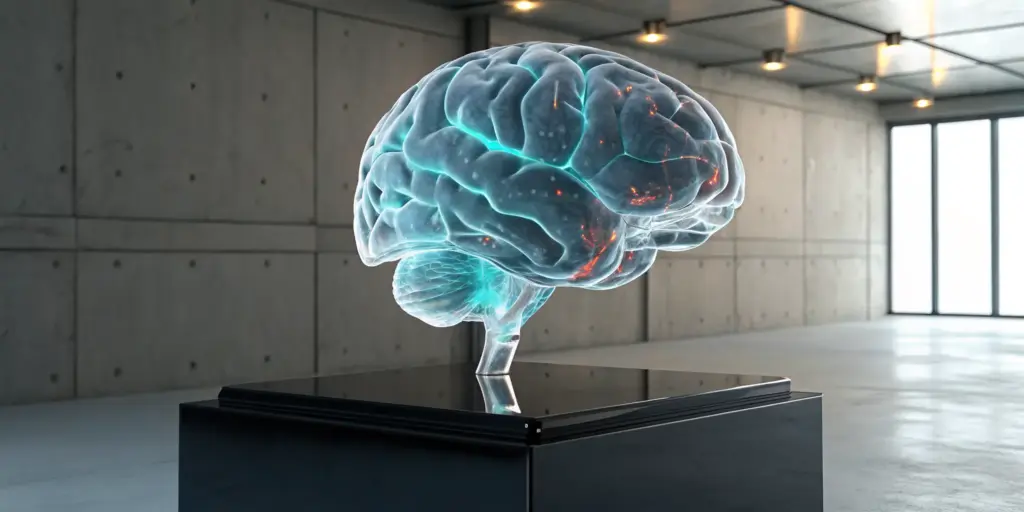
Trauma isn’t just an emotional wound; it leaves a physical imprint on the brain, rewiring the circuits that manage stress, emotions, and decision-making. This is a physiological injury, not a personal failing. Understanding these changes is a crucial step toward healing because it helps explain why you feel and act the way you do. It’s not about a lack of willpower; it’s about a brain that has adapted to survive an overwhelming experience. When you see how trauma reshapes your brain’s functions, you can begin to approach recovery with more compassion for yourself and a clearer path forward.
The Shift in Your Body’s Stress Response
When you experience a traumatic event, your body’s natural “fight-or-flight” response kicks in to keep you safe. For many survivors, however, that internal alarm gets stuck in the “on” position long after the danger has passed. Your brain continues to release stress hormones like cortisol and adrenaline, making you feel constantly on edge as if you’re always waiting for the other shoe to drop. This state of hypervigilance is physically and emotionally draining. It changes how your brain perceives threats, making everyday stressors feel overwhelming and leaving you searching for a way to finally feel calm and safe again.
Its Effect on Brain Chemistry and Reward Systems
Living in a constant state of high alert takes a toll on your brain’s chemistry. The ongoing stress can deplete the neurotransmitters responsible for feelings of happiness and calm. When your brain’s natural reward system is off balance, it can be difficult to experience pleasure or motivation from everyday activities. This is often where substance use enters the picture. The National Institute on Drug Abuse explains that traumatic experiences are closely connected to substance use disorders because drugs or alcohol can offer a temporary sense of relief that the brain is struggling to create on its own.
Why It Impacts Decision-Making and Impulse Control
The part of your brain responsible for rational thinking, planning, and controlling impulses is the prefrontal cortex. When your brain is stuck in survival mode, it diverts energy away from this area and toward the more reactive parts that handle immediate threats. This makes it incredibly difficult to think clearly, weigh consequences, and manage sudden urges. Your brain is prioritizing immediate safety over long-term planning. This is why someone with unresolved trauma might act impulsively or struggle with choices that seem illogical to others. Their brain is simply operating from a place of survival, not reason, making it harder to resist the immediate escape that substances seem to offer.
Why Trauma Can Lead to Substance Use
When you’ve been through something traumatic, the instinct to find relief is powerful. It’s not about a lack of willpower or a moral failing; it’s a deeply human response to overwhelming pain. For many, substances can feel like a temporary solution to quiet the noise and numb the hurt. This coping mechanism is rooted in how trauma physically changes the brain’s chemistry and stress responses.
Understanding this connection is the first step toward healing. The path from trauma to substance use is a well-worn one, driven by the brain’s attempt to survive, find peace from painful memories, and escape a constant state of high alert. By looking at these reasons, we can see addiction not as the problem itself, but as a symptom of a deeper wound that needs care.
Using Substances to Cope and Survive
After a traumatic event, living with the emotional fallout can feel impossible. Feelings of anxiety, fear, shame, and depression can be constant companions. In this state, many people turn to drugs or alcohol to self-medicate, which is really just an attempt to manage these unbearable feelings. It’s a survival mechanism meant to provide a moment of peace when your own mind feels unsafe.
Substances can temporarily dull the sharp edges of painful emotions or silence the racing thoughts that keep you up at night. While this might offer short-term relief, it unfortunately creates a cycle where the substance becomes the go-to tool for coping, preventing the development of healthier strategies and often making the underlying emotional pain worse over time.
Finding a Way to Numb Painful Memories
Trauma does more than leave emotional scars; it can alter how your brain functions. The experience can make you more sensitive to stress, meaning small, everyday challenges can trigger an intense emotional or physical reaction. This heightened sensitivity is exhausting and can make you feel like you’re constantly on edge. When you’re living with intrusive memories, flashbacks, or nightmares, the desire for an escape can be overwhelming.
Substances can offer a way to temporarily numb these painful memories and create distance from the trauma. For a little while, they can make it possible to forget or at least feel less. This is why many people find themselves using substances not to feel good, but simply to feel less bad.
The Brain’s Natural Drive for Relief
Traumatic experiences can trap your body in a state of “fight-or-flight,” flooding your system with stress hormones like cortisol and adrenaline. This leaves you feeling hypervigilant, anxious, and unable to relax. Your brain is naturally wired to seek relief from this chronic stress. Substances can hijack this process by artificially creating feelings of calm or pleasure, offering a quick and effective, yet temporary, escape.
This drive for relief is a powerful biological force. When trauma disrupts the brain’s development and its reward systems, it can become harder to handle stress in healthy ways. The brain learns to associate the substance with safety and relief, reinforcing the cycle of use. Addressing both the trauma and the substance use through a comprehensive program is essential to breaking this pattern and teaching the brain new, healthier ways to find peace.
The Link Between Childhood Trauma and Addiction
It’s a story we see often: a struggle with addiction that seems to have come out of nowhere. But when we look closer, the roots often stretch back to childhood. Difficult and painful experiences from our early years can leave a lasting mark, shaping our brains and influencing the choices we make as adults. Understanding this connection isn’t about placing blame; it’s about gaining clarity and compassion for the journey. When you see how childhood trauma can pave the way for substance use, you can begin to find a path toward healing that addresses the real source of the pain, not just the symptoms.
How Trauma Disrupts Critical Brain Development
Difficult experiences in childhood, often called Adverse Childhood Experiences (ACEs), are strongly linked to developing a substance use disorder later in life. This isn’t a matter of willpower or character; it’s about biology. When a child experiences trauma, their brain development can be disrupted. The parts of the brain responsible for managing stress, emotions, and decision-making are still forming, and chronic stress can alter their growth. This can lead to long-term challenges with emotional regulation and impulse control. At Legacy Healing, our individualized approach recognizes that healing isn’t just about stopping substance use; it’s about helping your brain heal from these early wounds and build new, healthier pathways.
Connecting Adverse Childhood Experiences to Substance Use
The more ACEs a person experiences, the higher their risk of turning to substances. This isn’t a coincidence. When you’re living with the unresolved pain, anxiety, or emotional numbness from trauma, it’s natural to look for a way to feel better, even for a little while. Many people use substances to “self-medicate” or cope with the overwhelming feelings and symptoms of trauma. It can feel like a temporary solution to quiet the noise, numb the pain, or simply get through the day. This is a common reason why addiction and mental health conditions often go hand-in-hand, which is why dual diagnosis treatment is so critical for lasting recovery.
When Unhealthy Coping Skills Follow You Into Adulthood
The coping mechanisms we learn as children to survive difficult situations often follow us into adulthood. If substances became a way to manage stress or emotional pain early on, that pattern can become deeply ingrained. As an adult, you might automatically reach for a drink or a drug when faced with a trigger, not because you consciously choose to, but because it’s the brain’s learned response for survival. Traumatic experiences can fundamentally change how you see the world and yourself. Breaking this cycle requires more than just stopping the substance use; it involves learning new, healthier ways to cope and creating a safe, supportive environment where you can heal. A luxury rehab program can provide that space to focus entirely on your well-being.
How PTSD and Substance Use Are Connected
When you live with post-traumatic stress disorder (PTSD), the world can feel like a dangerous place. The lingering effects of trauma, like intense anxiety, flashbacks, and emotional pain, can be overwhelming. It’s completely understandable to search for a way to quiet the noise and find some relief. For many, that search leads to substance use. This creates a difficult cycle where the substance temporarily masks the symptoms, but ultimately makes the PTSD harder to manage. Understanding this connection is the first step toward finding a path to healing that addresses both issues at the same time.
Using Substances to Manage PTSD Symptoms
Living with PTSD symptoms can feel like a constant battle. When you’re dealing with intrusive memories, severe anxiety, or overwhelming emotions, it’s natural to look for an escape. Many people turn to drugs or alcohol to self-medicate these difficult feelings. A drink might temporarily quiet the anxiety, or a drug might numb the emotional pain from a flashback. This isn’t a sign of weakness; it’s a survival strategy. The substance provides a brief moment of peace in the middle of a storm. The problem is that this relief is short-lived, and over time, it can create a dependency that exists alongside the unresolved trauma.
The Cycle of Poor Sleep and Dependence
A good night’s sleep can feel impossible when you have PTSD. Nightmares, racing thoughts, and a constant state of high alert often lead to chronic insomnia. To get some rest, you might turn to alcohol or other substances to help you fall asleep. While they might seem to work at first, they actually disrupt your natural sleep cycle, leading to poor-quality rest that leaves you feeling even more exhausted. This creates a vicious cycle. You wake up tired and less equipped to handle stress, making you more likely to use substances to cope during the day, and then again at night to sleep. This pattern quickly builds dependence while never addressing the root cause of the sleep problems.
Coping with Hypervigilance and Emotional Numbness
Trauma can leave your nervous system stuck in overdrive, a state known as hypervigilance. You might feel constantly on edge, jumpy, and unable to relax. On the other end of the spectrum, you might experience emotional numbness, feeling disconnected from your body and the world around you. Substances can feel like a solution for both. They can calm the nervous system to ease hypervigilance or deepen the sense of dissociation to escape painful feelings. This is why effective recovery requires a dual diagnosis program that treats the substance use and the underlying trauma together, helping you find healthier ways to feel safe and present in your own body.
Clearing Up Myths About Trauma and Addiction
When we talk about trauma and addiction, a lot of misunderstandings can get in the way of healing. These myths often create feelings of shame and isolation, making it harder for people to reach out for the help they deserve. It’s easy to see addiction as a series of bad decisions, but the reality is much more complex, especially when trauma is part of the story. Understanding the truth behind these common misconceptions is a crucial step toward compassion, both for yourself and for the people you care about.
The connection between trauma and substance use isn’t about weakness or a lack of willpower. It’s rooted in brain science and the powerful, instinctual drive to survive overwhelming pain. By clearing up these myths, we can start to see the full picture. This allows us to approach recovery with the empathy and knowledge needed to heal the underlying wounds, not just manage the symptoms. True healing begins when we replace judgment with understanding and address the root causes with a comprehensive approach.
Myth: Addiction Is a Choice, Not a Trauma Response
One of the most damaging myths is that addiction is simply a moral failing or a lack of self-control. While every journey starts with a first use, the path to addiction is rarely that simple. Research from the National Institute on Drug Abuse shows that traumatic experiences can fundamentally change your brain’s structure and chemistry. This makes you more sensitive to stress and rewires your survival instincts.
When your brain is in a constant state of high alert, turning to a substance can feel less like a choice and more like a necessary tool for survival. It becomes a way to quiet the noise and cope with overwhelming emotional pain. Over time, this coping mechanism can develop into a substance use disorder, a complex condition that requires compassionate and specialized care, not judgment.
Myth: Everyone with Trauma Develops an Addiction
It’s true that experiencing trauma increases the risk of developing a substance use disorder, but it’s not a guarantee. Many people who go through incredibly difficult events find healthy ways to cope and heal without turning to substances. Your response to trauma is unique and depends on many factors, including your genetics, your support system, and the environment you’re in.
Thinking that trauma always leads to addiction can create a sense of hopelessness, but it’s important to remember that you are not defined by your experiences. Resilience is real, and many paths to healing exist. Recognizing that not everyone’s story is the same helps us understand that recovery is also a deeply personal journey. It’s about finding the right support and tools that work for you.
Myth: It’s About Pleasure, Not Pain Relief
Many people assume that substance use is all about chasing a feeling of pleasure or a “high.” For individuals with a history of trauma, however, it’s often the exact opposite. The primary driver is frequently the desire to escape or numb intense emotional pain. This is often called “self-medicating,” where substances are used to manage anxiety, flashbacks, or feelings of worthlessness that stem from past events.
This creates a difficult cycle. The substance might offer temporary relief, but it doesn’t resolve the underlying trauma. In fact, it usually makes things worse over time, deepening the emotional wounds and creating a dependency. Healing requires addressing both the substance use and the trauma together, which is the focus of dual diagnosis programs.
How to Recognize Addiction Rooted in Trauma
When you’re trying to understand addiction, it’s important to look beneath the surface. For many people, substance use isn’t the core problem; it’s a symptom of something deeper, like unresolved trauma. Recognizing the connection is the first step toward a more complete and lasting recovery. Trauma rewires how we see the world and respond to stress, and these changes can show up in ways that are easy to misinterpret. By learning to spot the signs, you can start to see the full picture and find a path to healing that addresses both the trauma and the addiction.
Key Behavioral Warning Signs
Trauma can significantly change a person’s behavior, often leading to actions that seem out of character. Someone might become more impulsive or engage in risky activities, including substance use, as a way to cope with overwhelming feelings. You may notice dramatic mood swings, intense emotional reactions, or a constant state of anxiety. It’s also common for individuals to actively avoid people, places, or situations that remind them of the traumatic event. This avoidance can make it difficult to maintain relationships and meet daily responsibilities. These behavioral changes are not a reflection of a person’s character but are often survival responses to deep emotional pain.
Emotional and Physical Red Flags
The scars from trauma are not always visible, but they create profound emotional and physical changes. A traumatic experience can alter brain chemistry, making you more sensitive to stress and constantly feeling on edge or hypervigilant. This can manifest as flashbacks, persistent shame, a deep sense of loneliness, or low self-worth. Many people struggle with trust issues and find it hard to form healthy connections. Physically, you might feel easily startled or carry chronic tension in your body. These symptoms of trauma are your body’s way of signaling that it’s stuck in a state of high alert, long after the danger has passed.
Understanding the Cycle of Trauma and Substance Use
When emotional pain becomes too much to bear, it’s natural to seek relief. Many people turn to substances to self-medicate, numbing the difficult feelings and memories associated with trauma. While this might offer a temporary escape, it creates a dangerous cycle. The substance use can lead to new problems, like financial strain or damaged relationships, which in turn create more stress and emotional distress. This often drives a person back to using substances to cope, making the original trauma even harder to face. Breaking this pattern requires a dual diagnosis approach that addresses both the addiction and its underlying traumatic roots at the same time.
Finding Effective Treatment for Trauma and Addiction
When you’re ready to heal from both trauma and addiction, finding the right support is the most important step you can take. It’s not about simply stopping substance use; it’s about addressing the root causes of your pain in a place that feels safe and understanding. The right treatment program acknowledges the deep connection between what you’ve been through and how you’re coping. It provides a path forward that treats you as a whole person, with care designed to heal both the addiction and the underlying trauma together.
The Importance of Trauma-Informed Care
Trauma-informed care is a way of approaching treatment that starts with a simple but powerful understanding: it recognizes the widespread impact of trauma and creates a path for recovery that avoids re-traumatization. Instead of focusing on symptoms alone, this approach considers your entire life experience. It’s about creating a supportive, safe, and informed environment where you can begin to explore how past events have shaped your life without fear of judgment. This compassionate approach is built on trust and collaboration, ensuring you feel empowered and respected every step of the way. It shifts the question from “What’s wrong with you?” to “What happened to you?” which makes all the difference in healing.
Why Dual Diagnosis Programs Are Key
When trauma and addiction exist together, they create a cycle that can be incredibly difficult to break. This is known as a dual diagnosis, where a substance use disorder and a mental health condition, like PTSD, occur at the same time. Treating only the addiction without addressing the trauma is often ineffective because the unresolved pain continues to trigger the urge to use. A dual diagnosis program is essential because it provides integrated care that addresses both conditions simultaneously. This holistic method ensures that you’re not just learning to manage addiction, but you’re also healing the emotional wounds that fuel it, creating a much stronger foundation for lasting recovery.
Therapies That Heal Both Trauma and Addiction
Effective treatment uses specific, evidence-based therapies designed to address the complexities of trauma and addiction. These aren’t quick fixes; they are powerful tools that help you rebuild your life. Therapies like Cognitive Behavioral Therapy (CBT) help you identify and change destructive thought patterns, while Dialectical Behavior Therapy (DBT) teaches skills for managing painful emotions and improving relationships. Other specialized approaches may also be used to help you process traumatic memories in a safe and structured way. Guided by our team of experts, these methods empower you with healthy coping strategies, so you no longer have to rely on substances to get through the day. True healing happens when you have the right tools and support.
Your First Steps Toward Healing
Taking that first step toward recovery can feel like the hardest part of the entire journey. When you’re dealing with the weight of both trauma and addiction, it’s easy to feel stuck. But I want you to know that healing is possible, and it starts with a few simple, actionable steps. You don’t have to figure everything out at once. The goal right now isn’t perfection; it’s just forward movement, no matter how small.
Recognizing that trauma is fueling the addiction is a huge breakthrough. Now, you can begin to address the root cause instead of only managing the symptoms. This path involves getting the right kind of help, surrounding yourself with people who lift you up, and learning new ways to handle life’s challenges. It’s about building a new foundation, one that’s strong enough to support the life you deserve. Let’s walk through what these first steps look like, so you can move forward with clarity and confidence.
Reach Out for a Professional Assessment
Before you can heal, you need to understand exactly what you’re healing from. A professional assessment is a confidential conversation with a compassionate expert who can help map out the connections between your experiences and your substance use. This isn’t about judgment; it’s about getting a clear picture so you can get the right kind of support. A specialist can create a safe and informed environment where you can explore your trauma and its effects. You can also verify your insurance as part of planning your next step toward treatment. This initial step is what allows for a truly personalized recovery program that addresses you as a whole person, ensuring that both the trauma and the addiction are treated together.
Build Your Personal Support System
You were never meant to go through this alone. Healing from trauma and addiction requires a strong support system. This network can include trusted family members, friends, support groups, and, importantly, a dedicated clinical team. The most effective treatment is patient-centered, meaning you are an active participant in your own recovery plan. Your voice matters. Surrounding yourself with people who empower you and respect your journey is essential. This circle of support provides the encouragement, accountability, and connection needed to break the cycle of isolation that so often comes with trauma. The right team of experts will feel like a true partner in your healing.
Learn Healthier Ways to Cope
Substance use often begins as a way to cope with overwhelming pain or memories. It’s a survival mechanism. The key to lasting recovery is to learn new, healthier ways to manage those feelings. This process involves gently replacing old habits with constructive ones that support your well-being. Effective trauma-informed addiction treatment focuses on integrating your past experiences into your recovery, teaching you skills to handle stress, triggers, and difficult emotions without turning to substances. This could mean practicing mindfulness, engaging in therapy, finding a physical activity you enjoy, or rediscovering a creative hobby. It’s about building a toolbox of strategies that help you feel grounded and in control.
Related Articles
- Effects of Heroin on Families and Relationships
- Exclusive Codependency and Addiction Treatment in Ohio
- Why PTSD Triggers Cause Flashbacks & Anxiety
- Trauma Treatment in Cincinnati, OH
- Top 7 Stress Triggers That Worsen PTSD Symptoms in Women
Frequently Asked Questions
Why can’t I just use willpower to stop using substances, especially if I know it’s linked to my trauma? This is such a common and valid question. The connection between trauma and addiction goes far beyond willpower because trauma physically changes your brain. It can put your nervous system on constant high alert and disrupt the chemistry that helps you feel calm and happy. When this happens, your brain isn’t operating from a place of rational choice; it’s operating from a place of survival, seeking relief in any way it can. Overcoming this requires more than just determination; it requires healing the underlying injury to your brain and learning new ways to feel safe.
My traumatic experience happened years ago. Is it too late to get help for how it’s affecting me now? It is never too late to heal. The effects of trauma don’t have an expiration date, and they can surface in different ways throughout our lives, often long after the event itself. The brain is incredibly capable of changing and forming new, healthier pathways at any age. Effective treatment can help you process those past experiences and address the coping mechanisms, like substance use, that you developed along the way. Healing is not about erasing the past, but about learning to live a full life without it controlling your present.
What does “trauma-informed care” actually look like during treatment? Trauma-informed care means that every part of your treatment is designed with an understanding of your past experiences. Instead of just focusing on the substance use, your care team recognizes that your history matters. In practice, this looks like creating a physically and emotionally safe environment, prioritizing trust and transparency, and collaborating with you on your treatment plan. The focus shifts from asking “What’s wrong with you?” to “What happened to you?” which ensures your healing journey is compassionate and effective.
Does every person who experiences trauma develop an addiction? No, not at all. While trauma is a significant risk factor for developing a substance use disorder, it is not a guarantee. Many people find healthy ways to cope and build resilience after a difficult experience. Your personal journey is shaped by many things, including your support system, your environment, and your individual biology. Understanding this is important because it shows that you are not defined by what happened to you, and there are many different paths to healing.
How is treating trauma and addiction at the same time different from just going to rehab for substance use? Treating both issues at once is the key to lasting recovery. A traditional rehab program might focus only on stopping the substance use, but if the underlying trauma isn’t addressed, the emotional pain that drives the addiction remains. A dual diagnosis program provides integrated care, using therapies that help you process the trauma while also giving you tools to manage addiction. This approach treats the root cause, not just the symptom, which helps you build a much stronger foundation for your future.

Dr. Ash Bhatt MD. MRO
Quintuple board-certified physician and certified medical review officer (AAMRO) with 15+ years of experience treating addiction and mental health conditions. Read More…